|
|
|||||||
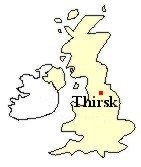
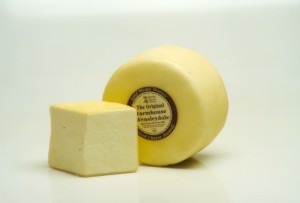
It is believed that Wensleydale cheese was first made by French Cistercian monks who settled in Wensleydale in 1150. These Cistercian monks were fervent travellers and were in contact with their cheese-making colleagues in Roquefort, France and so the success of the Wensleydale cheese was almost guaranteed. They also believed that work, especially agricultural work, was a fine form of prayer and together with the damp caves in the dales, perfect for maturing cheeses, it certainly gave them all the encouragement they needed. During the 1300's cows' milk began to be used instead of ewes' and the character of the cheese began to change. A little ewes' milk was still mixed in since it gave a more open texture and allowed the development of blue mould. At that time Wensleydale was almost always blue with the white 'un-blue' variety almost unknown. Nowadays, the opposite is true with blue Wensleydale rarely seen. When the monastery was dissolved in 1540 the farmers and their wives continued the making of the cheese right up until the second world war. During this war the majority of milk produced was commandeered for the making of 'Government Cheddar'. Even after rationing ceased in 1954 cheese making did not resume to the levels before the war, as with many other British cheeses. The Wensleydale we sell at The Teddington Cheese is made by Judy Bell at Shepherds Purse, Thirsk in North Yorkshire. She has been making it for over 10 years using pure ewes' milk as it would have been in the 1100's. Initially, sales of the cheese were poor since the locals were used to cows' milk cheeses. However, over the last 5 or 6 years there has been a complete swing and popularity is increasing, fuelled partly by the growth in cows milk allergies. Shepherds Purse Wenslydale has an open, crumbly and moist texture, a clean tangy flavour and a bright white colour. It is made in truckles weighing 1.6kg and measuring 15cm in diameter and 12cm high. It is matured for two months and is wrapped in wax. It is one of the few cheeses which benefits from a wax coating as opposed to cheese-cloth, since it helps preserve the fabulous moist texture. Click here or press your 'Back' button to return |
|
|||||||
| All articles © www.teddingtoncheese.co.uk | ||||||||